


No — Costa and Oakley are separate brands with their own designs, factories, and identities. The confusion is understandable, though: both now sit under the EssilorLuxottica umbrella, and both are giants in performance eyewear.
Here’s how each brand got here, what sets their lenses and manufacturing apart, and why sharing a parent company doesn’t make them the same.
A Tale of Two Brands
Costa’s Journey
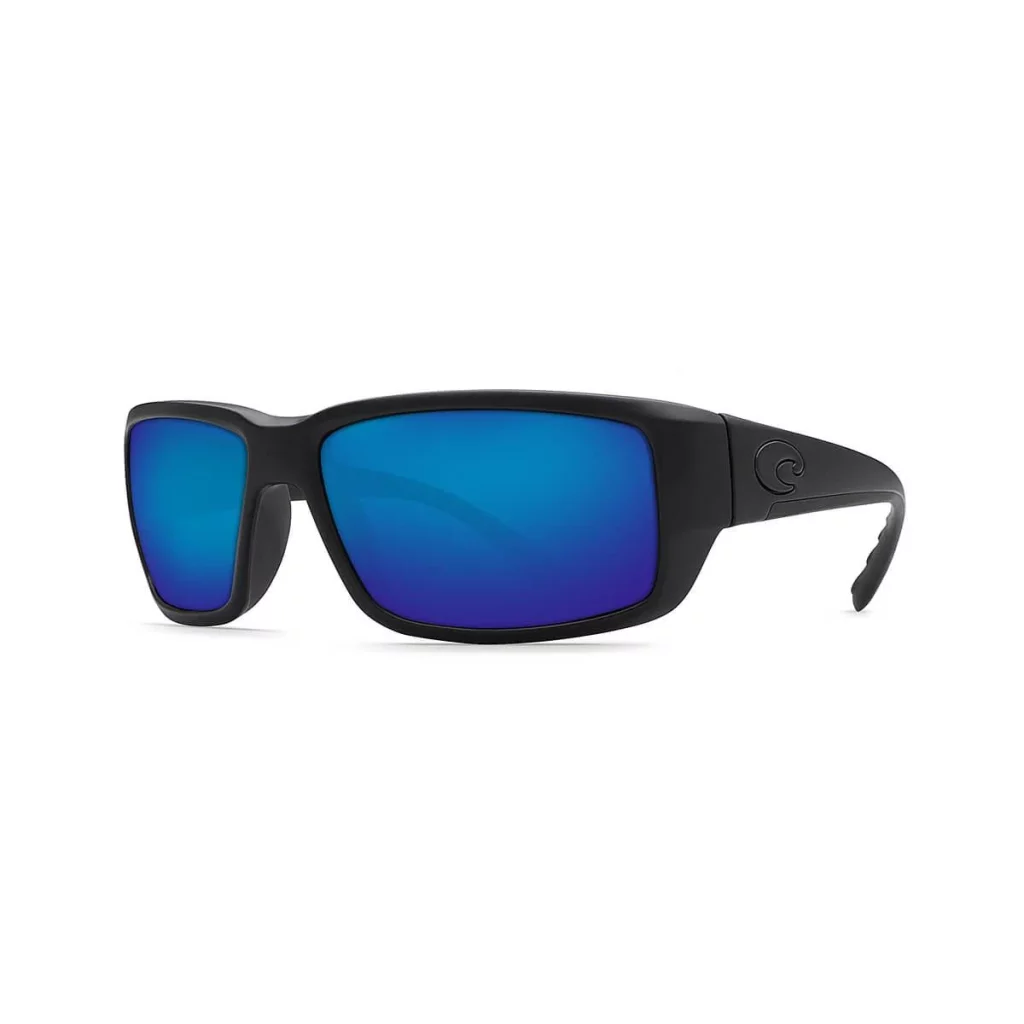
Costa, originally known as Costa Del Mar, started its journey in 1983, born on the waters of Florida. Known for high-quality polarized sunglasses, the brand found its niche among fishermen who needed superior eye protection against the sun’s glare reflecting off the water. Costa sunglasses are renowned for their high-quality lenses, durable materials, and comfortable fits.
Oakley’s Odyssey
On the other side of the spectrum, we have Oakley – a brand born in California in 1975. Jim Jannard, the founder of Oakley, started his journey from the trunk of his car with a unique motorcycle grip. Today, the brand is an emblem of sporting excellence, with its products being used by world-class athletes and casual users alike. While Oakley also offers high-quality polarized lenses, they’re perhaps better known for their signature sporty designs and innovative lens technologies.
Manufacturing Dynamics
In a globalized world, where many brands outsource their production, both Costa and Oakley stand out. These brands have chosen to control many aspects of their production processes to ensure quality and consistency.
Costa’s Manufacturing Standards
Costa takes immense pride in its lens technology. The company uses a 580 lens, which is made of either glass or polycarbonate. Each lens type offers unique advantages – the glass lens provides the clearest vision, while the polycarbonate version is lighter and more impact-resistant. Costa lenses are engineered to block yellow light – which is harder for the human eye to process – while enhancing reds, blues, and greens.
Oakley’s Production Techniques
Oakley is also heavily involved in its manufacturing process. The brand utilizes its patented High Definition Optics (HDO) technology in the production of lenses, offering sharper, clearer, and more accurate vision. Oakley also innovates with materials, as seen with the O Matter™ frame material, known for its lightweight and stress-resistant properties.
Parent Companies and Brand Relations
Despite the clear differences between the brands, it’s worth noting that both have been acquired by larger entities.
Luxottica and Oakley
Oakley was bought by Luxottica in 2007. Luxottica is an Italian eyewear conglomerate that owns several major brands, including Ray-Ban and Persol. This acquisition has allowed Oakley to expand its global reach, but the brand still maintains its unique design philosophy and commitment to innovation.
Essilor and Costa
Costa Del Mar, on the other hand, was acquired by Essilor in 2014, a French-based international ophthalmic optics company. Essilor later merged with Luxottica in 2018 to form EssilorLuxottica, a global powerhouse in the eyewear industry. Despite being under the same umbrella entity, Costa and Oakley operate independently, with unique product lines, brand identities, and marketing strategies.
Conclusion: Costa vs Oakley – Different Brands, Different Identities
Costa and Oakley remain distinct brands — Costa built around its 580 lens technology for life on the water, Oakley around sport performance and innovations like High Definition Optics. Common ownership hasn’t merged their product lines or design philosophies.
Choosing between them is really about use case: Costa if your time is mostly on or near water and glare-cutting clarity is the priority; Oakley if you want sport-specific frames with interchangeable lenses and a wider style range. Try both on — fit decides more than specs.
Content reviewed and updated in October 2026.

Recent Comments