


Yes — polarized sunglasses are one of the best upgrades you can make for driving. The polarizing filter cuts the horizontal glare bouncing off roads, hoods, and windshields, which improves contrast, reduces eye fatigue on long drives, and leaves you with a clearer view of the road. Pair them with 100% UV protection and you cover both comfort and eye health.
Here is how they work and what to look for when choosing a driving pair.
What are Polarized Sunglasses?
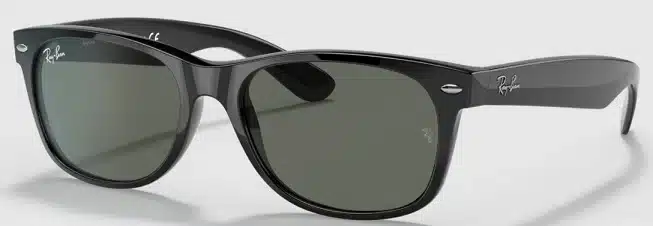
Polarized sunglasses are designed with a special lens technology that reduces glare caused by reflections from flat surfaces such as water, snow, and road surfaces. The lenses contain a polarizing filter that blocks horizontally polarized light, which is the main component of glare. By eliminating or significantly reducing glare, polarized sunglasses provide clearer vision and better visual comfort.
Reducing Glare for Improved Visibility
Glare from the sun can be particularly troublesome while driving. When sunlight reflects off the road, windshield, or other vehicles, it creates intense brightness that can impair a driver’s ability to see clearly. Polarized sunglasses filter out this glare, allowing drivers to have a clearer view of the road ahead.
Enhancing Contrast and Clarity
One of the significant advantages of polarized sunglasses is their ability to enhance contrast and clarity. The polarizing filter in the lenses selectively blocks certain light waves, reducing scattered light and improving the perception of colors and details. This enhanced visual acuity can be especially beneficial for driving in challenging conditions, such as during sunset or in foggy weather.
Minimizing Eye Fatigue and Strain
Driving for extended periods can strain your eyes, and excessive glare can exacerbate this fatigue. Polarized sunglasses help alleviate eye strain by reducing the amount of light that enters the eyes and minimizing the need for squinting. By providing a more comfortable viewing experience, they can contribute to a safer and more relaxed driving environment.
Eliminating Harmful UV Rays
Ultraviolet (UV) radiation from the sun can have detrimental effects on both eye health and vision. Prolonged exposure to UV rays can lead to conditions such as cataracts, macular degeneration, and photokeratitis. Polarized sunglasses, like other quality sunglasses, offer UV protection, shielding your eyes from these harmful rays. It is essential to ensure that the sunglasses you choose provide 100% UV protection for maximum safety and eye health benefits.
Considerations When Choosing Polarized Sunglasses for Driving
While polarized sunglasses offer numerous benefits for driving, there are a few factors to consider when selecting the right pair:
1. Lens Color: Different lens colors affect how light is filtered and perceived. Gray lenses provide natural color perception and are a popular choice for driving, as they maintain true colors. Amber or brown lenses can enhance contrast and depth perception, which can be useful in low-light conditions or foggy weather.
2. Fit and Comfort: It is crucial to choose sunglasses that fit well and are comfortable to wear for extended periods. Ill-fitting sunglasses can cause discomfort and distraction while driving, which can affect your focus on the road.
3. Polarization Quality: Not all polarized sunglasses are created equal. It is important to opt for high-quality polarized lenses to ensure effective glare reduction. Look for reputable brands that offer reliable polarization technology.
4. Prescription Needs: If you wear prescription glasses, consider getting polarized prescription sunglasses or opt for clip-on polarized lenses that can be attached to your regular glasses.
Polarized lenses earn their reputation behind the wheel: less glare, better contrast, reduced eye strain, and UV protection in one package. Gray lenses keep colors true, while amber or brown tints add contrast in hazy or low-light conditions.
One caveat before you buy: polarized lenses can black out some dashboard LCDs and head-up displays at certain angles. Test your pair with your own car’s screens before committing to them for long drives. Content reviewed and updated in October 2026.

Recent Comments