

Regular sunglasses are designed to block UV rays, not blue light — standard and even polarized lenses do very little to filter the blue portion of the spectrum. If blue light is your concern, you need lenses specifically made and labeled for blue-light blocking, which usually carry a yellow or amber tint.
Here is how each lens type handles blue light, and what actually determines how effective a pair is.
Understanding Blue Light
Blue light is a component of the visible light spectrum and is characterized by its short wavelength and high energy. It is present in sunlight and also emitted by various artificial sources, such as digital screens, LED lights, and fluorescent bulbs. While blue light is essential for regulating our circadian rhythm and promoting alertness during the day, excessive exposure to it can have negative effects on our eyes and sleep patterns.
Types of Sunglasses Lenses
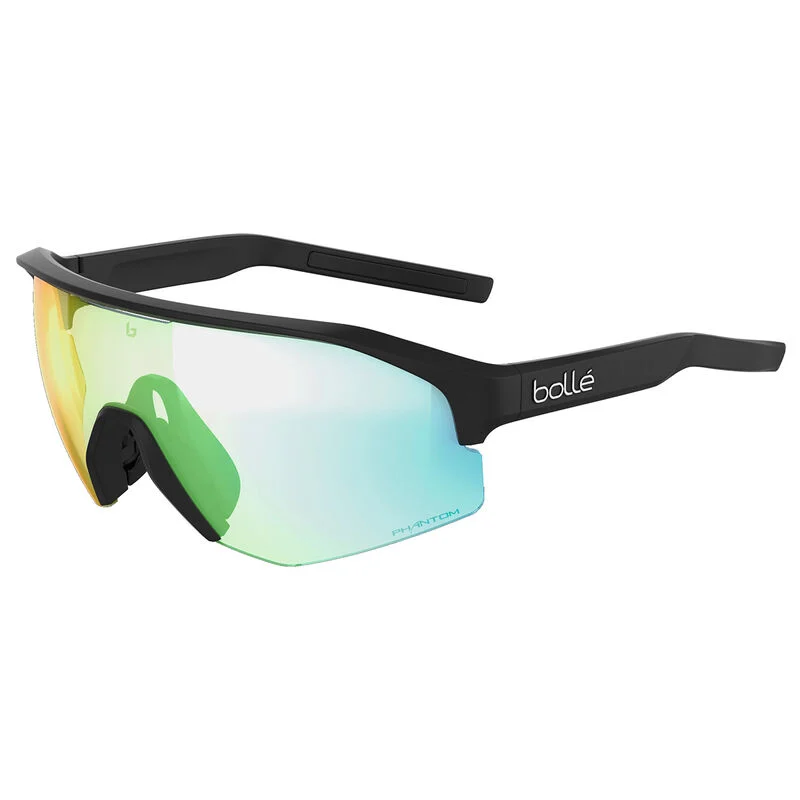
- Standard Sunglasses Lenses
Traditional sunglasses primarily aim to protect the eyes from harmful UV radiation. They are designed to block both UVA and UVB rays, which are known to contribute to conditions like cataracts, macular degeneration, and photokeratitis (sunburned eyes). However, standard sunglasses lenses do not typically target blue light specifically.
- Polarized Lenses
Polarized lenses are commonly used in sunglasses to reduce glare and improve visual comfort. They work by selectively blocking certain light waves that create horizontal glare, such as reflected sunlight from water or shiny surfaces. While polarized lenses can enhance visual clarity, they do not have a significant impact on blue light filtration.
- Blue Light-Blocking Lenses
Unlike traditional sunglasses, blue light-blocking lenses are specifically designed to filter out a portion of the blue light spectrum. These lenses typically have a yellow or amber tint, as these colors are known to effectively block blue light. The specific wavelength range of blue light filtered can vary depending on the lens manufacturer. Some blue light-blocking lenses claim to filter out up to 90% or more of blue light, reducing eye strain and potential sleep disturbances caused by excessive exposure.
Effectiveness of Sunglasses in Blocking Blue Light
While blue light-blocking lenses have gained popularity, it is important to note that their effectiveness can vary based on several factors:
- Lens Quality: The quality of the lens plays a crucial role in its ability to filter blue light effectively. Higher-quality lenses with advanced coatings and materials are likely to offer better protection.
- Wavelength Filtering: Different blue light-blocking lenses filter different portions of the blue light spectrum. Some lenses primarily block blue light in the 400-450nm range, while others may cover a broader range up to 500nm. It is essential to check the lens specifications to understand the extent of blue light filtration.
- Color Perception: Blue light-blocking lenses with a yellow or amber tint may alter color perception, making certain objects appear differently. This can be a subjective experience and may vary from person to person.
- Digital Device Usage: Blue light emitted by digital screens is a growing concern. While blue light-blocking lenses can reduce the amount of blue light reaching the eyes, they may not eliminate it entirely. It is still advisable to follow good screen habits, such as taking regular breaks and adjusting display settings to reduce blue light emission.
Standard sunglasses handle UV protection well but are not blue-light blockers; only lenses engineered for that purpose filter meaningful amounts of blue light — and even those work best alongside good screen habits like regular breaks and dimming displays at night.
One caution: never substitute dark blue-light-blocking sunglasses for proper UV-rated sunnies outdoors. Blue-light lenses without UV protection let your pupils dilate and can admit more UV, not less. If you are unsure what your eyes need, an optometrist can point you to the right option. Content reviewed and updated in October 2026.

Recent Comments