

Costa sunglasses don’t carry a formal safety rating like ANSI Z87.1 — but that doesn’t mean they’re fragile. Their lenses are impact-resistant, they block 100% of UV, and nearly all are polarized. They just aren’t certified as occupational safety eyewear.
Here’s what safety ratings actually mean, where Costa stands, and when you genuinely need certified safety glasses instead.
Understanding Safety Ratings for Sunglasses
Before we discuss Costa sunglasses’ safety rating, it’s important to understand what we mean by “safety rated.”
What are Safety Ratings?
Safety ratings for sunglasses are standards or certifications that verify whether a pair of sunglasses can adequately protect the wearer’s eyes from potential hazards. These hazards can be environmental, like sunlight and UV radiation, or physical, like impact from debris. Sunglasses with safety ratings must undergo rigorous testing and meet certain criteria to earn these certifications.
Importance of Safety Ratings
Safety ratings are important for two key reasons. First, they assure that the product provides the necessary protection against harmful UV rays, which can lead to serious eye conditions. Secondly, safety ratings can also indicate the glasses’ ability to withstand impact, which is crucial for certain activities and professions.
Costa Sunglasses: An Overview
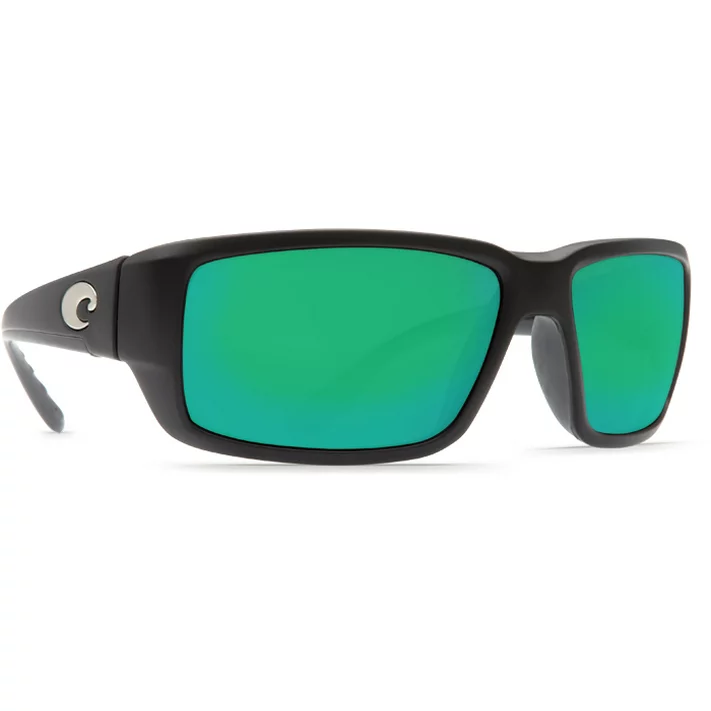
Costa is a renowned name in the world of eyewear, providing sunglasses for general use and specialized activities like fishing and boating. Known for their sharp clarity and durable construction, Costa sunglasses have earned a following among outdoor enthusiasts and professionals.
Lens Technology
The core of any pair of sunglasses lies in its lenses, and Costa lenses are particularly noteworthy. They offer both plastic (580P) and glass (580G) lenses, each with its own strengths.
Costa’s patented 580 technology goes beyond shielding your eyes from the sun’s brightness. It filters out the harsh yellow light at 580 nanometers on the light spectrum, leading to better clarity and contrast. This is particularly helpful when you’re in the water, as it allows you to see beneath the surface more clearly.
UV Protection
In terms of UV protection, Costa sunglasses offer 100% UV blockage for maximum protection, shielding the wearer from the harmful effects of UVA, UVB, and UVC rays.
Safety Ratings of Costa Sunglasses
While Costa sunglasses offer UV protection and impact resistance, it is important to note that they do not carry a specific safety rating like the ANSI Z87.1, a widely recognized safety standard in the United States. This standard is provided by the American National Standards Institute and certifies eyewear for occupational and educational personal eye and face protection devices. Product lines can change over time, so if you need certified safety eyewear, check Costa’s current product specifications or contact them directly.
Nevertheless, the absence of this specific rating doesn’t imply that Costa sunglasses lack safety features.
Impact Resistance
Both 580P and 580G lenses by Costa are impact-resistant. The 580P lenses are made of polycarbonate and trivex, which are lightweight and highly impact-resistant materials. They’re tough and less likely to shatter upon impact. The 580G glass lenses, though heavier and potentially more fragile, are also engineered to be more resistant to impact than traditional glass lenses.
Durability
Costa sunglasses are known for their durability. Their frames are constructed from either a bio-based resin material or metal, designed to withstand harsh conditions. Moreover, they’re often corrosion-resistant, making them ideal for marine environments.
Polarization
Nearly all Costa sunglasses are polarized, significantly reducing glare from reflective surfaces. This is especially beneficial near water bodies or snow, where reflected sunlight can be intense. By reducing glare, polarized lenses help prevent squinting and eye fatigue, offering more comfortable vision.
Conclusion: Balancing Safety, Function, and Style
For everyday outdoor use — fishing, boating, driving — Costa’s impact-resistant lenses, full UV protection, and polarization offer solid real-world protection. But they’re not a substitute for ANSI Z87.1-certified eyewear where workplace or high-impact safety rules apply.
The rule of thumb: if your activity or employer requires certified safety eyewear, buy eyewear marked with the actual Z87 rating — don’t assume sport sunglasses qualify. For everything else, Costa’s build quality is more than enough.
Content reviewed and updated in October 2026.
Recent Comments