

Swim goggles fog because your body heat warms the air trapped inside while the pool water cools the lens from outside — condensation is inevitable without help. The good news: a few simple habits and anti-fog tricks keep them clear.
This guide explains why swim goggles fog up and how to keep them from fogging.
Understanding Why Swim Goggles Fog
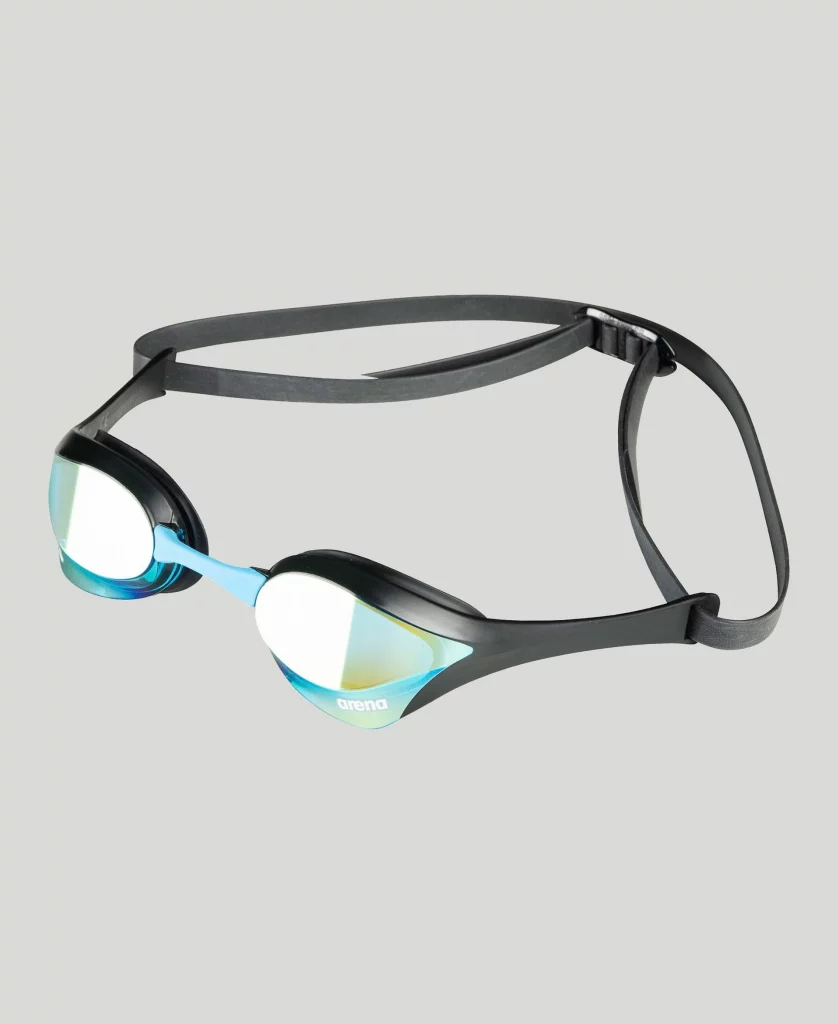
Before we delve into the solutions, let’s first understand why goggles fog up. This occurs due to condensation forming on the inside of the goggles. As you swim, your body temperature rises, and the heat is transferred to the colder surface of the goggles, creating a thin layer of fog. This phenomenon is essentially the same as what happens when you breathe onto a cold window during winter.
Temperature Differences
The primary reason goggles fog up is due to the difference in temperature between the inside and outside of the goggles. When you swim, your body heats up, and this heat is transferred to the air inside the goggles, causing the air to warm. This warm air then comes into contact with the cold surface of the goggle lens, which causes the air to cool and condense, creating fog.
Moisture
The second factor contributing to goggle fog is moisture. Swimming pools are full of water, and when you are swimming, water particles can get trapped inside your goggles, adding to the moisture already present from your skin and sweat. This additional moisture contributes to the fogging effect.
How to Keep Swim Goggles from Fogging
There are several ways to prevent your goggles from fogging up, ranging from simple behavioral adjustments to using specific products.
Buying Anti-Fog Goggles
When purchasing goggles, look for ones with an anti-fog coating. These coatings are designed to minimize the condensation process inside the goggles, thereby reducing fog. However, the effectiveness of these coatings can reduce over time due to wear and tear, exposure to pool chemicals, and improper handling.
Goggle Preparation
How you prepare your goggles before you swim can significantly impact fog formation. Several methods are commonly used, including:
Saliva
An old swimmer’s trick is to use saliva. Spit into your goggles, rub the saliva around the inside of the lenses, then rinse briefly with fresh water. This layer of saliva can help prevent fogging.
Baby Shampoo
Another handy trick involves a small drop of baby shampoo. Rub it on the inside of the goggles, then rinse it out. The thin layer left behind will help prevent fogging. Be sure to rinse thoroughly to avoid any shampoo getting into your eyes.
Anti-Fog Sprays
There are several commercial anti-fog sprays available that work effectively in preventing fogging. You apply the spray to the inside of the lenses, let it dry, then rinse out the excess before swimming.
DIY Solutions
If you prefer homemade solutions, a mixture of vinegar and water can work as a decent anti-fog solution. Use a 50:50 mix of white vinegar and water, apply it to the lenses, let it dry, then rinse off the excess.
Caring for Your Goggles
Proper care for your goggles can extend the life of the anti-fog coating and keep your goggles fog-free for longer.
Rinse After Use
After swimming, rinse your goggles in fresh water. This removes any chlorine, salt, or other residue that could degrade the anti-fog coating over time.
Don’t Touch the Inside of Your Goggles
Touching the inside of your goggles can leave oils from your fingers on the lens, which can smear and contribute to fogging. It can also damage the anti-fog coating.
Allow Goggles to Air Dry
Let your goggles air dry in a well-ventilated area out of direct sunlight. This allows any moisture inside the goggles to evaporate, reducing the chances of fogging the next time you swim.
Conclusion
Keeping swim goggles fog-free is mostly about routine: anti-fog treatment before you swim, no touching the inside of the lenses, and air-drying afterward. Find the combination that works for you and stick with it — consistency beats any single trick. Content reviewed and updated in October 2026.

Recent Comments