

Blue lens sunglasses aren’t inherently bad for your eyes — but they’re not the best everyday choice either. The blue tint can actually increase your exposure to blue light rather than blocking it, while also reducing contrast in some conditions.
Here’s what’s really going on with blue lenses, when they actually help (overcast days, snow), and how to wear them without compromising your eye health.
Understanding Light and Vision
Before exploring the effects of blue lenses on our eyes, it’s crucial to understand how light and vision work. Light is made up of electromagnetic particles that travel in waves. These waves emit energy and vary in length and strength. The human eye is sensitive to only a part of the light spectrum—visible light—comprising different colors ranging from violet to red.
Blue Light and Its Effects
Blue light is part of the visible light spectrum and is next to violet at the short-wavelength end. It is believed to have both beneficial and harmful effects.
Benefits of Blue Light
Blue light boosts alertness, helps memory and cognitive function, and elevates mood. It also helps regulate the circadian rhythm—the body’s natural wake and sleep cycle. Exposure to blue light during the day helps maintain a healthful rhythm.
Harmful Effects of Blue Light
Excessive exposure to blue light, especially at night, can disrupt the sleep cycle, causing difficulty falling asleep and daytime fatigue. Additionally, studies suggest that overexposure to blue light may contribute to digital eye strain and potential retinal damage, accelerating age-related macular degeneration.
Blue Lens Sunglasses: An Overview
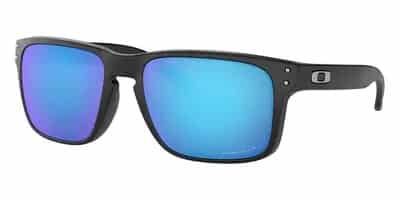
Blue lens sunglasses are sunglasses with a blue tint on the lenses. They work by filtering out certain wavelengths of light, just like any other tinted lens.
Do Blue Lenses Block Blue Light?
Contrary to popular belief, blue lenses don’t block blue light; instead, they enhance it. This is due to a phenomenon called the Tyndall Effect, where blue or white light is scattered more than other colors because it travels in shorter, smaller waves. Therefore, wearing blue lens sunglasses can increase exposure to blue light.
Impact on Eye Health
Blue lens sunglasses, while fashion-forward, may not be the best choice for optimal eye health. Here’s why:
Increased Blue Light Exposure
As discussed, wearing blue lens sunglasses can lead to increased exposure to blue light. Prolonged exposure to high energy visible (HEV) blue light has been linked to eye strain and potential damage to the retina.
Reduced Contrast
Blue lenses can also reduce contrast, making it more challenging to distinguish between different shades of color. This can make some activities, such as driving, potentially more dangerous.
Potential Disruption to Sleep
Increased exposure to blue light, especially later in the day, can disrupt your sleep cycle. This can lead to sleep disorders and associated health problems such as obesity, depression, and cardiovascular disease.
Are There Any Benefits?
Despite the potential drawbacks, blue lens sunglasses do have certain advantages:
Enhanced Perception of Colors
Blue lenses can enhance the perception of colors and clarity in certain situations. They can reduce glare and are often recommended for overcast, foggy, or snowy conditions.
Fashion Appeal
Blue lens sunglasses have a unique aesthetic appeal. They add a pop of color and a touch of novelty to your outfit.
Protecting Your Eyes
If you love your blue lens sunglasses and don’t want to give them up, consider taking the following steps to protect your eyes:
Limit Usage
Try to limit wearing blue lens sunglasses to appropriate situations, such as an overcast day or when participating in winter sports.
Blue Light Blocking Coating
Some companies offer blue light blocking coating for lenses, which may help protect against the potentially harmful effects of blue light.
Regular Eye Exams
Maintaining regular eye exams will ensure that any potential damage from excessive blue light exposure can be detected and treated early.
Conclusion
Blue lenses are a style choice with trade-offs: possible increased blue-light exposure, reduced contrast that can matter for driving, and potential sleep disruption if worn late in the day. They’re fine in the right conditions — overcast weather, fog, snow — but they’re not ideal as your only pair.
If blue lenses are your thing, reserve them for low-light outdoor use and keep a neutral-tinted pair with full UV protection for bright days. And whatever you wear, don’t skip regular eye exams — they’re the real early-warning system for eye health.
Content reviewed and updated in October 2026.
Recent Comments